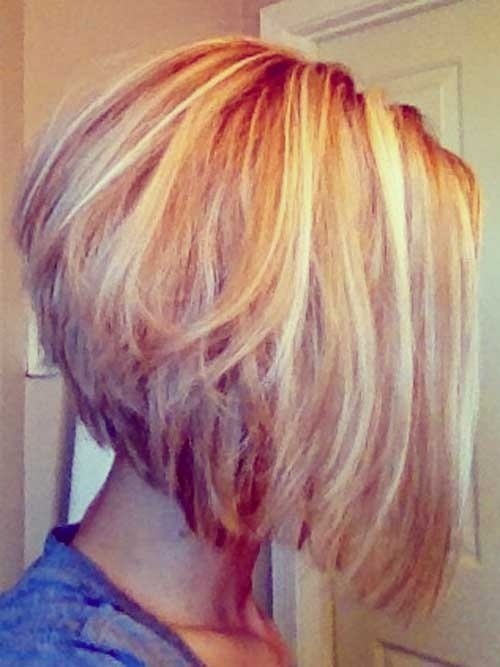
 22 Cool Short Hairstyles for Thick Hair 2015 Pretty Designshttp://www.prettydesigns.com/wp-content/uploads/2015/03/Short-Bob-Hairstyle-with-Blond-Highlights.jpg
angled bob hairstyle for thick hair women
A hairstyle, hairdo, or haircut identifies the styling of locks, usually on the individual scalp. Sometimes, this could also mean an editing of beard hair. The fashioning of hair can be considered an aspect of personal grooming, fashion, and cosmetics, although practical, cultural, and popular considerations affect some hair styles also. The oldest known depiction of hair braiding goes back about 30,000 years. In historic civilizations, women's wild hair was often elaborately and carefully dressed in special ways. In Imperial Rome, women used their mane in complicated styles. From the time of the Roman Empire[citation needed] until the Middle Ages, most women grew their head of hair as long as it would obviously increase. During the Roman Empire as well as in the 16th century under western culture, women began to wear their hair in ornate styles extremely. Inside the later half of the 15th century and on into the 16th century a very high hairline on the forehead was considered attractive. Through the 15th and 16th decades, Western european men used their head of hair cropped no than shoulder-length much longer. In the first 17th century male hairstyles grew longer, with waves or curls being considered desirable.
The male wig was pioneered by Ruler Louis XIII of France (1601-1643) in 1624. Perukes or periwigs for men were released into the English-speaking world with other French styles in 1660. Late 17th-century wigs were lengthy and wavy, but became shorter in the mid-18th century, where time they were normally white. Short hair for fashionable men was a product of the Neoclassical movement. In the early 19th century the man beard, and also moustaches and sideburns, made a strong reappearance. In the 16th to the 19th century, European women's mane became more noticeable while their head of hair coverings grew smaller. In the center of the 18th hundred years the pouf style developed. During the First World War, women around the global world started to shift to shorter hairstyles that were better to manage. In the early 1950s women's hair was generally curled and worn in a number of styles and lengths. In the 1960s, a lot of women started to wear their scalp in a nutshell modern cuts such as the pixie cut, within the 1970s, hair tended to be much longer and looser. In both 1960s and 1970s a lot of men and women wore their hair lengthy and straight. Inside the 1980s, women pulled back their hair with scrunchies. During the 1980s, punk hair styles were used by some sociable people.
Throughout times, folks have worn their head of hair in a wide variety of styles, largely determined by the fashions of the culture they live in. Hairstyles are markers and signifiers of social class, age, marital status, racial identification, political beliefs, and attitudes about gender.
In many ethnicities, for religious reasons often, women's scalp is covered while in public areas, and in some, such as Haredi Judaism or Western european Orthodox areas, women's hair is shaved or lower very short, and covered with wigs.Only since the end of World Warfare I've women begun to wear their wild hair short and in quite natural styles.
Paleolithic
- The oldest known reproduction of locks braiding lies back about 30,000 years: the Venus of Willendorf, known in academia as the girl of Willendorf now, of a female figurine from the Paleolithic, predicted to get been made between about 28,000 and 25,000 BCE.The Venus of Brassempouy matters about 25,000 years old and shows hairstyling indisputably.
Bronze Age
- In Bronze Time razors were known and in use by some men, however, not on a daily basis since the technique was rather upsetting and required resharpening of the tool which reduced its endurance.
Ancient history
- In traditional civilizations, women's locks was often elaborately and carefully dressed up in special ways. Women coloured their locks, curled it, and pinned it up (ponytail) in many ways. They set in place their hair in curls and waves using wet clay, which they dried out in sunlight and then combed out, or else by utilizing a jelly made of quince seed products soaked in water, or styling tongs and styling irons of various kinds.
Roman Empire and DARK AGES
- Between 27 BC and 102 AD, in Imperial Rome, women used their mane in complicated styles: scores of curls on top, or in rows of waves, drawn back to braids or ringlets. Eventually noblewomen's hairstyles grew so complex that they required daily attention from several slaves and a stylist in order to be maintained. The wild hair was often lightened using real wood ash, unslaked lime and sodium bicarbonate, or darkened with copper filings, oak-apples or leeches marinated in vinegar and wines. It had been augmented by wigs, hairpieces and pads, and held in place by nets, pins, pomade and combs. Under the Byzantine Empire, noblewomen covered almost all of their hair with silk caps and pearl nets.
Best Short Thick Hair For Women
- If you are gifted naturally with thick mane, you are the envy of so many women worldwide. You have never acquired to cope with the issue of limp locks or the lack of amount in hair styles. Being groomed and clean, thick locks will be the natural jewel it doesn't need any complex rim in conditions of fancy hairstyles. At the same time, thick head of hair in longer measures may feel heavy. In this full case a short haircut is a great solution. This short article with cool pictures will help you to make a good choice of a brief haircut for thick hair.
- So, you've opted for a huge crop for your luxurious thick tresses? A lot of people won't understand you, but we do. Short slashes often look much sharper than longer styles. And if you have mastered how to create your short haircut, you are the lucky one, who'll will have an enviously perfect effortless look. Listed below are ideas for your bob, pixie or whatever short haircut version you've decided on this time.
Bob Haircuts – Angled Bob Hairstyles
 http://www.dohairstyles.com/wp-content/uploads/2012/08/Angled-Bob-Hairstyle-4.jpg
Angled Bob Haircut For Thick Hair Latest Women Long Hairstyle
 http://www.new-longhairstylepins.info/wp-content/uploads/2015/08/angled-bob-haircut-for-thick-hair-back-view-55caf143e3fa2.jpg
22 Popular Bob Haircuts for Short Hair Pretty Designs
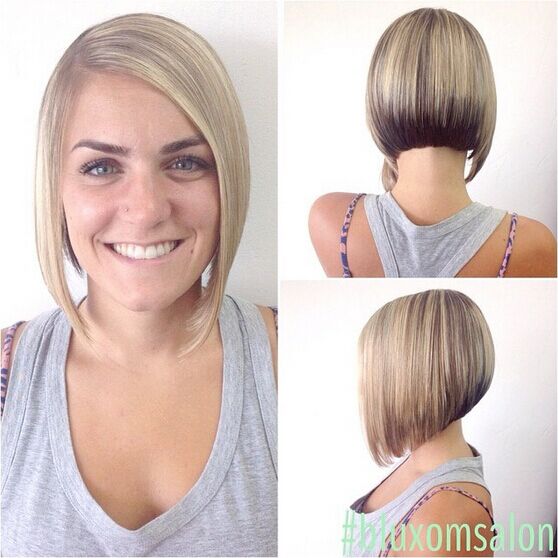 http://www.prettydesigns.com/wp-content/uploads/2015/06/Inverted-Bob-Hairstyle-for-Women.jpg
Inverted Bob For Thick Hair Bob Hairstyles 2015 Short Hairstyles
 http://www.bob-hairstyle.com/wp-content/uploads/2016/09/Inverted-Bob-for-Thick-Layered-Hair-Idea.jpg
OIP.Ma70b236f7ec82db01f6f9641a9d70a53o0
443677E97225C37C5E505A384E7671191A8F8E26F9http://www.prettydesigns.com/22-cool-short-hairstyles-thick-hair-2015/
Embed Our image to your website
ThumbnailImageEmbed Our image to a Forum
ThumbnailImage
22 Cool Short Hairstyles for Thick Hair 2015 Pretty Designs
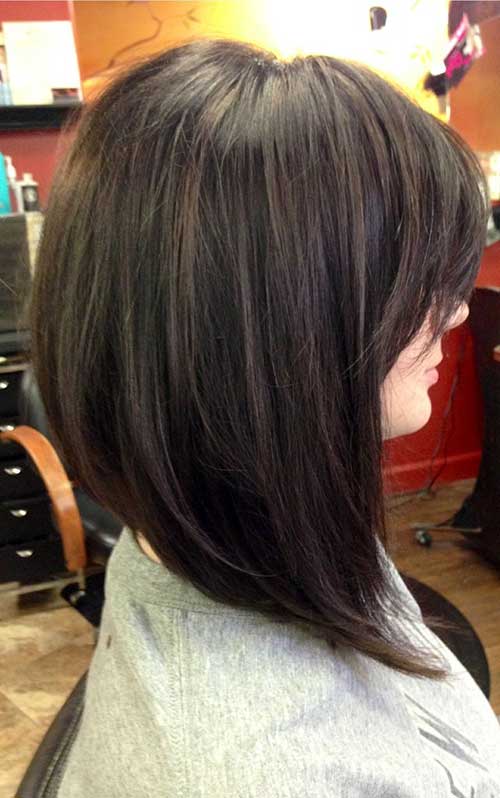 20 Short Bob Hairstyles for Thick Hairhttp://www.short-hairstyles.co/wp-content/uploads/2016/02/Angled-Long-Bob-for-Thick-Hair.jpg
angled bob hairstyle for thick hair women
A hairstyle, hairdo, or haircut identifies the styling of scalp, usually on the individuals scalp. Sometimes, this may suggest an editing and enhancing of beard wild hair also. The fashioning of hair can be viewed as an aspect of personal grooming, fashion, and cosmetics, although practical, cultural, and popular considerations also influence some hairstyles. The oldest known depiction of hair braiding dates back about 30,000 years. In old civilizations, women's locks was often elaborately and carefully dressed up in special ways. In Imperial Rome, women used their mane in complicated styles. From enough time of the Roman Empire[citation needed] before Middle Ages, many women grew their hair so long as it would obviously increase. During the Roman Empire as well as in the 16th century in the western world, women commenced to wear their hair in extremely ornate styles. Within the later half of the 15th century and on in to the 16th century a very high hairline on the forehead was considered attractive. Through the 16th and 15th generations, Western men wore their hair cropped no more than shoulder-length. In the first 17th century male hairstyles grew longer, with curls or waves being considered desired.
The male wig was pioneered by King Louis XIII of France (1601-1643) in 1624. Periwigs or perukes for men were released in to the English-speaking world with other French styles in 1660. 17th-century wigs were very long and wavy late, but became shorter in the mid-18th century, where time these were white normally. Short hair for fashionable men was a product of the Neoclassical movement. In the early 19th hundred years the men beard, and also moustaches and sideburns, made a solid reappearance. From 16th to the 19th century, European women's head of hair became more obvious while their head of hair coverings grew smaller. In the middle of the 18th century the pouf style developed. Through the First World Warfare, women around the world started to shift to shorter hairstyles that were better to manage. In the first 1950s women's hair was generally curled and worn in a variety of styles and lengths. In the 1960s, a lot of women commenced to wear their head of hair in short modern cuts including the pixie cut, within the 1970s, scalp tended to be longer and looser. In both the 1960s and 1970s many men and women wore their hair lengthy and straight. Inside the 1980s, women pulled back their hair with scrunchies. Through the 1980s, punk hairstyles were adopted by some public people.
Throughout times, people have worn their hair in a multitude of styles, largely determined by the fashions of the culture they live in. Hairstyles are markers and signifiers of social class, age, marital status, racial identification, political beliefs, and attitudes about gender.
In many ethnicities, often for religious reasons, women's scalp is protected while in public, and in some, such as Haredi Judaism or Western Orthodox areas, women's scalp is shaved or minimize very short, and covered with wigs.Only since the end of World War I have women started to wear their wild hair brief and in fairly natural styles.
Paleolithic
- The oldest known duplication of head of hair braiding lies again about 30,000 years: the Venus of Willendorf, known in academia as the girl of Willendorf now, of a female figurine from the Paleolithic, believed to acquire been made between about 28,000 and 25,000 BCE.The Venus of Brassempouy matters about 25,000 years old and shows hairstyling indisputably.
Bronze Age
- In Bronze Time razors were known and in use by some men, but not on a regular basis since the technique was rather distressing and required resharpening of the tool which reduced its strength.
Ancient history
- In historic civilizations, women's wild hair was often elaborately and carefully dressed up in special ways. Women colored their wild hair, curled it, and pinned it up (ponytail) in many ways. They arranged their head of hair in waves and curls using wet clay, that they dried in sunlight and combed out then, if not by by using a jelly made of quince seeds soaked in drinking water, or curling tongs and curling irons of various kinds.
Roman Empire and DARK AGES
- Between 27 BC and 102 Advertisement, in Imperial Rome, women used their locks in complicated styles: scores of curls at the top, or in rows of waves, drawn back to ringlets or braids. Eventually noblewomen's hairstyles grew so complex that they required daily attention from several slaves and a stylist in order to be maintained. The hair was lightened using lumber ash, unslaked lime and sodium bicarbonate, or darkened with copper filings, oak-apples or leeches marinated in vinegar and wine beverages. It had been augmented by wigs, pads and hairpieces, and held in place by nets, pins, pomade and combs. Under the Byzantine Empire, noblewomen covered most of their hair with silk pearl and caps nets.
Best Short Thick Hair For Women
- If you are gifted by nature with thick wild hair, you are the envy of so many women worldwide. You haven't acquired to deal with the problem of limp locks or the lack of volume in hair styles. Being clean and groomed, thick locks are the natural jewel it doesn't need any sophisticated rim in terms of fancy hairstyles. At the same time, thick head of hair in much longer measures might feel heavy. In this full case a short haircut is a fantastic solution. This short article with cool pictures will help you make the right choice of a short haircut for thick hair.
- So, you've opted for a major crop for your luxurious thick tresses? A lot of people won't understand you, but we do. Short slices look much sharper than longer styles often. And if you've mastered how to style your short haircut, you are the lucky one, who'll will have an enviously perfect effortless look. Here are ideas for your bob, pixie or whatever short haircut version you've decided on this time.
Stacked Hairstyles Bob Hairstyles 2015 Short Hairstyles for Women
 http://www.bob-hairstyle.com/wp-content/uploads/2016/01/Short-Bob-Hairstyles.jpg
22 Cool Short Hairstyles for Thick Hair 2015 Pretty Designs
http://www.prettydesigns.com/wp-content/uploads/2015/03/Short-Bob-Hairstyle-with-Blond-Highlights.jpgInverted Long Bob Bob Hairstyles 2015 Short Hairstyles for Women
 http://www.bob-hairstyle.com/wp-content/uploads/2016/01/Inverted-Bob-Hairstyles.jpg
Short Angled Bob Hairstyles for Thick Hair
 http://www.hairstyleshelp.com/wp-content/uploads/2013/11/Short-Angled-Bob-Hairstyles-for-Thick-Hair.jpg
OIP.M9085a919d0bb527b8b9c6d59505be2f4o0
2123B5ECC3CAFF8DF0A59DBC0874A98D6FF84D5879http://www.short-hairstyles.co/tag/short-bob-hairstyles
Embed Our image to your website
ThumbnailImageEmbed Our image to a Forum
ThumbnailImage
20 Short Bob Hairstyles for Thick Hair
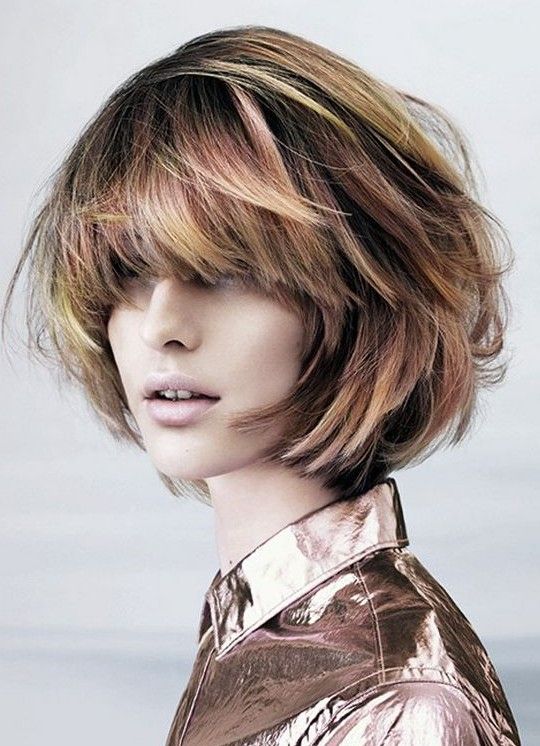 Textured Bob Hairstyle for Thick Hairhttp://www.prettydesigns.com/wp-content/uploads/2014/06/Textured-Bob-Hairstyle-for-Thick-Hair.jpg
smooth bob hairstyle for thick hair women
A hair, hairdo, or haircut identifies the styling of head of hair, usually on the individuals scalp. Sometimes, this may suggest an editing of beard mane also. The fashioning of hair can be considered an element of personal grooming, fashion, and cosmetics, although practical, cultural, and popular considerations also influence some hairstyles. The oldest known depiction of hair braiding goes back about 30,000 years. In early civilizations, women's scalp was often elaborately and carefully dressed up in special ways. In Imperial Rome, women used their scalp in complicated styles. From the time of the Roman Empire[citation needed] until the Middle Ages, the majority of females grew their wild hair so long as it would develop by natural means. During the Roman Empire as well as in the 16th century in the western world, women started out to wear their hair in ornate styles extremely. In the later half of the 15th century and on into the 16th century a very high hairline on the forehead was considered attractive. Through the 16th and 15th decades, European men wore their wild hair cropped no than shoulder-length much longer. In the early 17th century male hairstyles grew longer, with curls or waves being considered desirable.
The male wig was pioneered by Ruler Louis XIII of France (1601-1643) in 1624. Perukes or periwigs for men were presented in to the English-speaking world with other French styles in 1660. Late 17th-century wigs were lengthy and wavy, but became shorter in the mid-18th century, by which time they were white normally. Short hair for fashionable men was a product of the Neoclassical movement. In the first 19th century the men beard, and moustaches and sideburns also, made a solid reappearance. In the 16th to the 19th hundred years, European women's hair became more noticeable while their hair coverings grew smaller. In the center of the 18th century the pouf style developed. Through the First World Conflict, women around the global world started to shift to shorter hairstyles that were much easier to manage. In the first 1950s women's hair was generally curled and worn in a variety of styles and lengths. In the 1960s, many women started to wear their hair in a nutshell modern cuts like the pixie cut, while in the 1970s, locks tended to be much longer and looser. In both 1960s and 1970s many men and women wore their hair very directly and long. Within the 1980s, women pulled back their hair with scrunchies. Through the 1980s, punk hair styles were used by some cultural people.
Throughout times, folks have worn their head of hair in a wide variety of styles, largely determined by the fashions of the culture they live in. Hairstyles are signifiers and markers of social class, age, marital status, racial identification, political beliefs, and attitudes about gender.
In many civilizations, often for religious reasons, women's wild hair is protected while in public areas, and in some, such as Haredi Judaism or European Orthodox communities, women's mane is shaved or slice very short, and protected with wigs.Only because the end of World War I've women started to wear their locks short and in reasonably natural styles.
Paleolithic
- The oldest known duplication of head of hair braiding lies again about 30,000 years: the Venus of Willendorf, known in academia as the girl of Willendorf now, of a lady figurine from the Paleolithic, approximated to have been made between about 28,000 and 25,000 BCE.The Venus of Brassempouy counts about 25,000 years old and indisputably shows hairstyling.
Bronze Age
- In Bronze Age razors were known and used by some men, but not on a regular basis since the method was rather upsetting and required resharpening of the tool which reduced its stamina.
Ancient history
- In early civilizations, women's head of hair was often elaborately and carefully dressed up in special ways. Women coloured their mane, curled it, and pinned it up (ponytail) in a variety of ways. They placed their head of hair in waves and curls using wet clay, that they dried in sunlight and then combed out, or else by using a jelly made of quince seed products soaked in normal water, or styling tongs and styling irons of various kinds.
Roman Empire and DARK AGES
- Between 27 BC and 102 Advertising, in Imperial Rome, women used their head of hair in complicated styles: a mass of curls on top, or in rows of waves, drawn back to ringlets or braids. Eventually noblewomen's hairstyles grew so complex that they required daily attention from several slaves and a stylist in order to be maintained. The wild hair was lightened using hardwood ash, unslaked lime and sodium bicarbonate, or darkened with copper filings, oak-apples or leeches marinated in vinegar and wines. It was augmented by wigs, pads and hairpieces, and held in place by nets, pins, combs and pomade. Under the Byzantine Empire, noblewomen covered most of their hair with silk caps and pearl nets.
Best Short Thick Hair For Women
- If you are gifted by nature with thick hair, you are the envy of so a lot of women worldwide. You haven't had to deal with the issue of limp wild hair or the lack of volume level in hair styles. Being clean and groomed, thick locks will be the natural jewel it doesn't need any superior rim in conditions of fancy hairstyles. At exactly the same time, thick locks in longer measures might feel heavy. In this case a short haircut is a great solution. This short article with cool pictures will help you make a good choice of a short haircut for thick hair.
- So, you've chosen a large crop for your luxurious thick tresses? A lot of people won't understand you, but we do. Short cuts look much sharper than longer styles often. And if you have mastered how to style your short haircut, you are the lucky one, who'll always have an enviously perfect effortless look. Here are ideas for your bob, pixie or whatever brief haircut version you've decided on this time.
Trendy Straight Short Bob for Thick Hair / Via
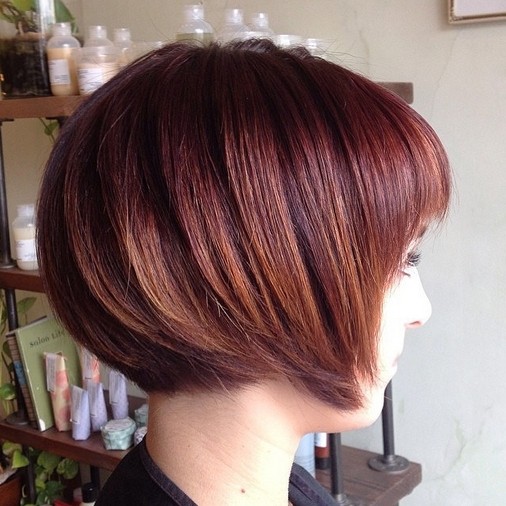 http://pophaircuts.com/images/2014/11/Trendy-Straight-Short-Bob-for-Thick-Hair.jpg
Trendy Straight Short Bob for Thick Hair / Via
http://pophaircuts.com/images/2014/11/Trendy-Straight-Short-Bob-for-Thick-Hair.jpgBob Haircut for Thick Hair via
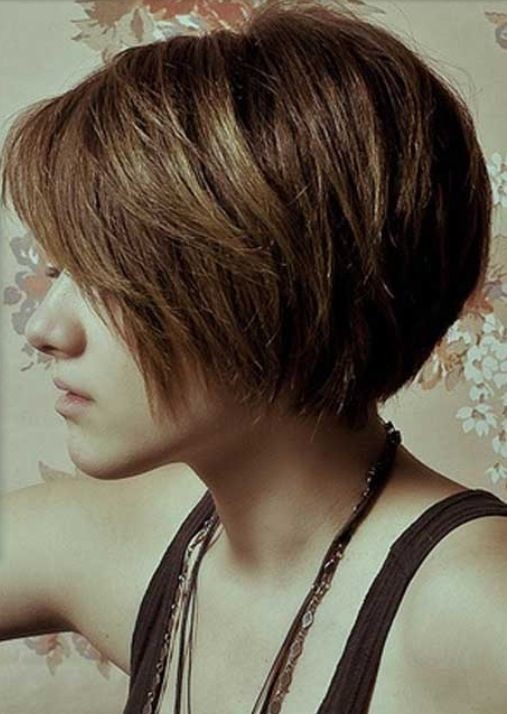 http://www.prettydesigns.com/wp-content/uploads/2015/03/Bob-Haircut-for-Thick-Hair.jpg
Smooth Lob – The Right Hairstyles for You
 http://i2.wp.com/therighthairstyles.com/wp-content/uploads/2013/12/2-smooth-lob.jpg
OIP.M80848c77b4084f67404c8847d3158f39o1
485B805DDAD16C33C14E4DD28A8461AEF270AC2D36http://www.prettydesigns.com/best-messy-bob-hairstyles-2014/
Embed Our image to your website
ThumbnailImageEmbed Our image to a Forum
ThumbnailImage
Textured Bob Hairstyle for Thick Hair
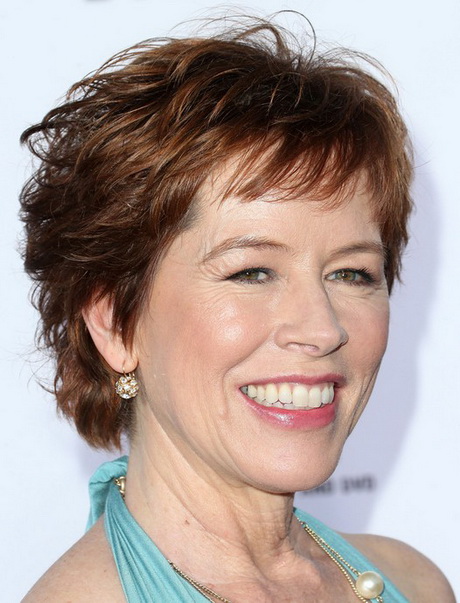 layered hairstyle for thick hair side view of lisa rinnahttp://gvenny.com/images/short-layered-hairstyles-for-women-over-50/short-layered-hairstyles-for-women-over-50-23-15.jpg
Short Layered hairstyle for thick hair women
A hairstyle, hairdo, or haircut identifies the styling of head of hair, on the human head usually. Sometimes, this could also mean an editing of beard hair. The fashioning of hair can be considered an aspect of personal grooming, fashion, and cosmetics, although practical, cultural, and popular considerations also influence some hairstyles. The oldest known depiction of hair braiding dates back about 30,000 years. In historical civilizations, women's wild hair was often elaborately and carefully dressed in special ways. In Imperial Rome, women used their mane in complicated styles. From the time of the Roman Empire[citation needed] before Middle Ages, the majority of females grew their head of hair as long as it could obviously grow. During the Roman Empire as well as in the 16th century in the western world, women began to wear their hair in ornate styles extremely. In the later half of the 15th century and on into the 16th century an extremely high hairline on the forehead was considered attractive. Through the 16th and 15th hundreds of years, Western men wore their scalp cropped no than shoulder-length longer. In the early 17th century male hairstyles grew longer, with waves or curls being considered desirable.
The male wig was pioneered by King Louis XIII of France (1601-1643) in 1624. Perukes or periwigs for men were launched into the English-speaking world with other French styles in 1660. Late 17th-century wigs were lengthy and wavy, but became shorter in the mid-18th century, where time they were white normally. Short hair for fashionable men was a product of the Neoclassical movement. In the early 19th hundred years the men beard, and also moustaches and sideburns, made a strong reappearance. From the 16th to the 19th century, European women's head of hair became more obvious while their hair coverings grew smaller. In the middle of the 18th century the pouf style developed. Through the First World Battle, women around the world started to shift to shorter hairstyles that were simpler to manage. In the early 1950s women's hair was generally curled and worn in a number of styles and lengths. In the 1960s, many women began to wear their head of hair in short modern cuts like the pixie cut, while in the 1970s, wild hair tended to be much longer and looser. In both 1960s and 1970s many men and women wore their hair lengthy and straight. In the 1980s, women pulled back their hair with scrunchies. During the 1980s, punk hair styles were implemented by some sociable people.
Throughout times, folks have worn their scalp in a wide variety of styles, largely determined by the fashions of the culture they live in. Hairstyles are signifiers and markers of social class, age, marital status, racial identification, political beliefs, and attitudes about gender.
In many cultures, for religious reasons often, women's scalp is protected while in public, and in a few, such as Haredi Judaism or Western european Orthodox neighborhoods, women's wild hair is shaved or minimize very short, and covered with wigs.Only since the end of World War I've women begun to wear their hair brief and in reasonably natural styles.
Paleolithic
- The oldest known duplication of locks braiding lies again about 30,000 years: the Venus of Willendorf, now known in academia as the girl of Willendorf, of a female figurine from the Paleolithic, approximated to own been made between about 28,000 and 25,000 BCE.The Venus of Brassempouy matters about 25,000 years of age and shows hairstyling indisputably.
Bronze Age
- In Bronze Age razors were known and used by some men, however, not on a regular basis since the method was rather upsetting and required resharpening of the tool which reduced its strength.
Ancient history
- In old civilizations, women's hair was often elaborately and carefully dressed up in special ways. Women colored their wild hair, curled it, and pinned it up (ponytail) in many ways. They place their hair in curls and waves using wet clay, which they dried out in sunlight and combed out then, if not by using a jelly manufactured from quince seeds soaked in normal water, or styling tongs and curling irons of various kinds.
Roman Empire and DARK AGES
- Between 27 BC and 102 Advertising, in Imperial Rome, women used their scalp in complicated styles: scores of curls on top, or in rows of waves, drawn back to ringlets or braids. Eventually noblewomen's hairstyles grew so complex that they required daily attention from several slaves and a stylist to become maintained. The mane was often lightened using timber ash, unslaked lime and sodium bicarbonate, or darkened with copper filings, oak-apples or leeches marinated in vinegar and wines. It had been augmented by wigs, pads and hairpieces, and held set up by nets, pins, pomade and combs. Under the Byzantine Empire, noblewomen covered most of their hair with silk pearl and caps nets.
Best Short Thick Hair For Women
- If you're gifted by nature with thick locks, you are the envy of so many women worldwide. You haven't had to cope with the presssing issue of limp wild hair or having less volume in hair styles. Being groomed and clean, thick locks will be the natural jewel it doesn't need any complex rim in conditions of fancy hairstyles. At the same time, thick scalp in longer measures may feel heavy. In this full case a short haircut is an outstanding solution. This article with cool pictures will help you to make the right choice of a brief haircut for thick hair.
- So, you've chosen a large crop for your luxurious thick tresses? A lot of people won't understand you, but we do. Brief slices often look much sharper than longer styles. And if you have mastered how to create your short haircut, you will be the lucky one, who'll will have an enviously perfect effortless look. Here are ideas for your bob, pixie or whatever brief haircut version you've chosen this time.
Hairstyles For Thick Wavy Hair Beautiful Hairstyles
 http://www.beautifulhairstyle.net/wp-content/uploads/2014/01/Short-Hairstyles-For-Women-With-Thick-Wavy-Hair.jpg
article Hairstyles 2014 at Medium Hairstyles 2013 for Older Women
 http://gvenny.com/images/medium-hairstyles-for-older-women/medium-hairstyles-for-older-women-40-9.jpg
30+ Chic Short Haircuts: Popular Short Hairstyles for 2015 Pretty
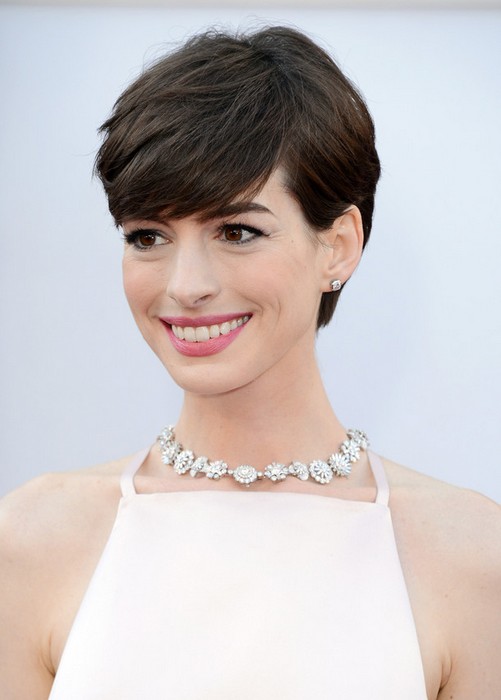 http://www.prettydesigns.com/wp-content/uploads/2013/10/Short-Hairstyles-for-2014-Cute-Layered-Pixie-Cut-with-Bangs-for-Thick-Hair.jpg
short layered bob hairstyles for thick hair
 http://www.hollywoodofficial.com/wp-content/uploads/2014/09/short-layered-bob-hairstyles-for-thick-hair.jpg
OIP.M9405d30b4555a4cce95f3c34e9efbe3fH1
40EACB99E9E834F65B87E6097F1B740C737C2924FFhttp://gvenny.com/short-layered-hairstyles-for-women-over-50/
Embed Our image to your website
ThumbnailImageEmbed Our image to a Forum
ThumbnailImage
layered hairstyle for thick hair side view of lisa rinna
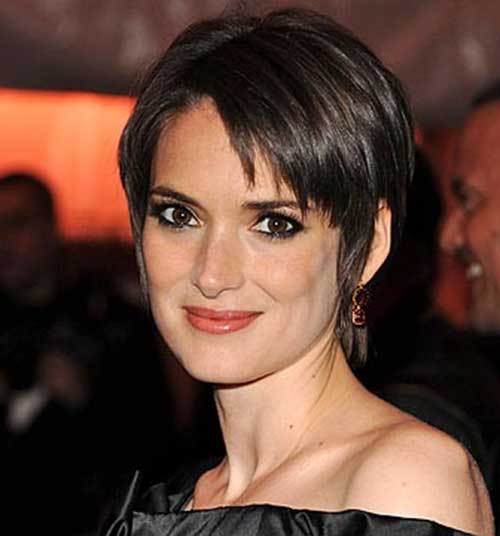 10 Short Haircuts for Straight Thick Hair Short Hairstyles 2015http://www.short-haircut.com/wp-content/uploads/2016/05/Short-Pixie-Haircuts-for-Straight-Thick-Hair.jpg
pixie cut hairstyle for thick hair women
A hairstyle, hairdo, or haircut identifies the styling of wild hair, usually on the real human head. Sometimes, this could suggest an editing of beard scalp also. The fashioning of hair can be considered an element of personal grooming, fashion, and cosmetics, although practical, cultural, and popular concerns influence some hair styles also. The oldest known depiction of hair braiding goes back about 30,000 years. In traditional civilizations, women's head of hair was often elaborately and carefully dressed in special ways. In Imperial Rome, women used their mane in complicated styles. From enough time of the Roman Empire[citation needed] before Middle Ages, majority of the women grew their scalp so long as it would by natural means develop. Through the Roman Empire as well as in the 16th century in the western world, women commenced to wear their hair in extremely ornate styles. In the later half of the 15th century and on into the 16th century a very high hairline on the forehead was considered attractive. During the 16th and 15th generations, European men wore their mane cropped no more than shoulder-length. In the early 17th century male hairstyles grew longer, with waves or curls being considered desirable.
The male wig was pioneered by King Louis XIII of France (1601-1643) in 1624. Perukes or periwigs for men were introduced into the English-speaking world with other French styles in 1660. 17th-century wigs were lengthy and wavy late, but became shorter in the mid-18th century, where time they were normally white. Short hair for fashionable men was something of the Neoclassical movement. In the first 19th hundred years the man beard, and moustaches and sideburns also, made a strong reappearance. In the 16th to the 19th hundred years, European women's locks became more visible while their locks coverings grew smaller. In the middle of the 18th hundred years the pouf style developed. During the First World War, women around the world started to shift to shorter hairstyles that were simpler to manage. In the first 1950s women's hair was generally curled and worn in a variety of styles and lengths. In the 1960s, many women began to wear their mane in short modern cuts such as the pixie cut, while in the 1970s, wild hair tended to be much longer and looser. In both 1960s and 1970s many men and women wore their wild hair very right and long. In the 1980s, women pulled back their hair with scrunchies. Through the 1980s, punk hair styles were implemented by some people.
Throughout times, people have worn their head of hair in a wide variety of styles, largely determined by the fashions of the culture they live in. Hairstyles are signifiers and markers of social class, age, marital status, racial identification, political beliefs, and attitudes about gender.
In many civilizations, for religious reasons often, women's locks is covered while in public, and in some, such as Haredi Judaism or Western Orthodox communities, women's locks is shaved or cut very short, and protected with wigs.Only since the end of World Warfare I've women begun to wear their mane short and in rather natural styles.
Paleolithic
- The oldest known reproduction of mane braiding lies again about 30,000 years: the Venus of Willendorf, now known in academia as the girl of Willendorf, of a lady figurine from the Paleolithic, predicted to acquire been made between about 28,000 and 25,000 BCE.The Venus of Brassempouy counts about 25,000 years of age and indisputably shows hairstyling.
Bronze Age
- In Bronze Time razors were known and in use by some men, however, not on a daily basis since the treatment was rather distressing and required resharpening of the tool which reduced its strength.
Ancient history
- In early civilizations, women's locks was often elaborately and carefully dressed up in special ways. Women coloured their locks, curled it, and pinned it up (ponytail) in many ways. They place their scalp in waves and curls using damp clay, that they dried out in sunlight and combed out then, if not by by using a jelly manufactured from quince seed products soaked in normal water, or styling tongs and curling irons of various kinds.
Roman Empire and DARK AGES
- Between 27 BC and 102 AD, in Imperial Rome, women used their head of hair in complicated styles: a mass of curls at the top, or in rows of waves, drawn back to ringlets or braids. Eventually noblewomen's hairstyles grew so complex that they required daily attention from several slaves and a stylist to become maintained. The mane was often lightened using wood ash, unslaked lime and sodium bicarbonate, or darkened with copper filings, oak-apples or leeches marinated in wines and vinegar. It had been augmented by wigs, hairpieces and pads, and held set up by nets, pins, combs and pomade. Beneath the Byzantine Empire, noblewomen covered most of their hair with silk pearl and caps nets.
Best Short Thick Hair For Women
- If you're gifted by nature with thick locks, you are the envy of so a lot of women worldwide. You have never acquired to cope with the problem of limp head of hair or having less size in hair styles. Being clean and groomed, thick locks will be the natural jewel that doesn't need any complex rim in terms of fancy hairstyles. At exactly the same time, thick wild hair in much longer measures might feel heavy. In this full case a short haircut is an excellent solution. This short article with cool pictures will help you make a good choice of a brief haircut for thick hair.
- So, you've chosen a huge crop for your luxurious thick tresses? A lot of people won't understand you, but we do. Short reductions often look much sharper than longer styles. And if you have mastered how to style your short haircut, you are the lucky one, who'll always have an enviously perfect effortless look. Here are ideas for your bob, pixie or whatever short haircut version you've decided on this time.
If your not sure about your face type, I39;ve included aquot;about face
 http://0.tqn.com/d/beauty/1/0/Y/8/1/cute_pixie_hairstyle.jpg
Pixie Hairstyles for Women with Round Faces and Thick Hair
 http://cuteasyhairstyles.com/wp-content/uploads/2014/01/pixie-haircuts-for-thick-hair.jpg
This wavy layered pixie cut is an ideal option for those women who don
 http://thebestfashionblog.com/wp-content/uploads/2015/02/Boyish-Short-Hairstyles-2015-3.jpg
20 Layered Hairstyles for Women with ‘Problem’ Hair Thick, Thin
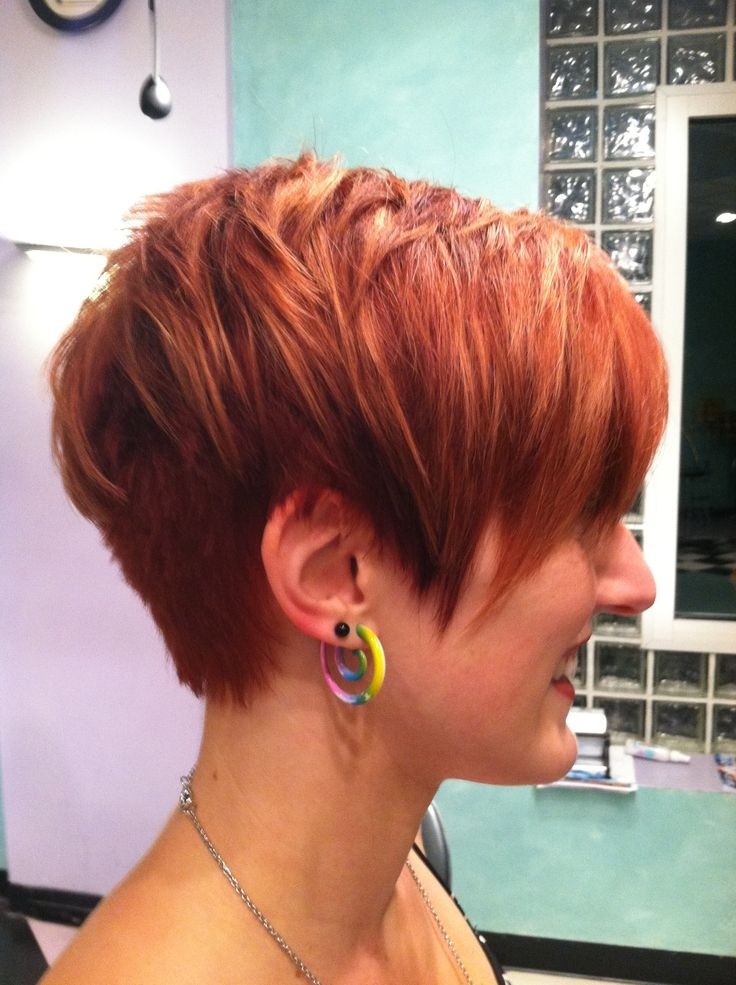 http://pophaircuts.com/images/2014/11/Women-Short-Hairstyles-Trends-2015-Layered-Pixie.jpg
OIP.Mb65d668d2343230ea6615b8e19f9d477o1
49013753A0269EAD3F806FCB68733E668BFC7E9C54http://www.short-haircut.com/10-short-haircuts-for-straight-thick-hair.html
Embed Our image to your website
ThumbnailImageEmbed Our image to a Forum
ThumbnailImage
10 Short Haircuts for Straight Thick Hair Short Hairstyles 2015
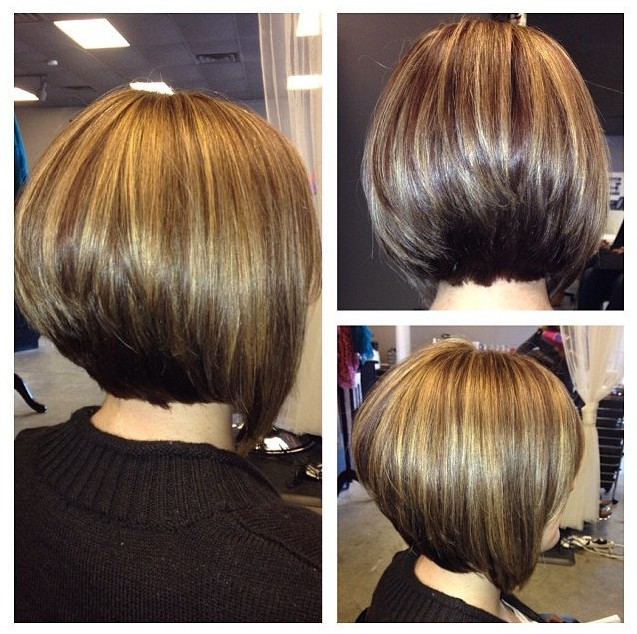 27 Latest Chic Bob Hairstyles for 2016 Pretty Designshttp://www.prettydesigns.com/wp-content/uploads/2014/10/Short-Angled-Bob-Hairstyle-for-Women1.jpg
angled bob hairstyle for thick hair women
A hairstyle, hairdo, or haircut refers to the styling of head of hair, on the individual head usually. Sometimes, this may suggest an editing and enhancing of beard scalp also. The fashioning of hair can be viewed as an element of personal grooming, fashion, and cosmetics, although practical, cultural, and popular things to consider effect some hair styles also. The oldest known depiction of hair braiding dates back about 30,000 years. In traditional civilizations, women's hair was often elaborately and carefully dressed up in special ways. In Imperial Rome, women used their locks in complicated styles. From the time of the Roman Empire[citation needed] before Middle Ages, a lot of women grew their wild hair as long as it could by natural means expand. During the Roman Empire as well as in the 16th century under western culture, women commenced to wear their hair in extremely ornate styles. In the later half of the 15th century and on into the 16th century a very high hairline on the forehead was considered attractive. Through the 15th and 16th ages, European men used their head of hair cropped no more than shoulder-length. In the early 17th century male hairstyles grew longer, with waves or curls being considered desirable.
The male wig was pioneered by Ruler Louis XIII of France (1601-1643) in 1624. Perukes or periwigs for men were released in to the English-speaking world with other French styles in 1660. Late 17th-century wigs were very long and wavy, but became shorter in the mid-18th century, by which time they were normally white. Short hair for fashionable men was something of the Neoclassical movement. In the first 19th century the male beard, and also moustaches and sideburns, made a solid reappearance. From 16th to the 19th century, European women's scalp became more noticeable while their mane coverings grew smaller. In the middle of the 18th century the pouf style developed. During the First World Warfare, women around the world started to shift to shorter hairstyles that were better to manage. In the early 1950s women's hair was generally curled and worn in a variety of styles and lengths. In the 1960s, a lot of women commenced to wear their wild hair in short modern cuts such as the pixie cut, within the 1970s, wild hair tended to be longer and looser. In both 1960s and 1970s a lot of men and women wore their head of hair very straight and long. In the 1980s, women pulled back their hair with scrunchies. Through the 1980s, punk hair styles were followed by some individuals.
Throughout times, people have worn their locks in a wide variety of styles, determined by the fashions of the culture they reside in largely. Hairstyles are markers and signifiers of social class, age, marital status, racial identification, political beliefs, and attitudes about gender.
In many civilizations, for religious reasons often, women's head of hair is covered while in public areas, and in a few, such as Haredi Judaism or European Orthodox neighborhoods, women's head of hair is shaved or minimize very short, and protected with wigs.Only because the end of World Conflict I've women begun to wear their mane short and in quite natural styles.
Paleolithic
- The oldest known reproduction of wild hair braiding lies again about 30,000 years: the Venus of Willendorf, now known in academia as the girl of Willendorf, of a lady figurine from the Paleolithic, approximated to own been made between about 28,000 and 25,000 BCE.The Venus of Brassempouy counts about 25,000 yrs . old and indisputably shows hairstyling.
Bronze Age
- In Bronze Years razors were known and used by some men, however, not on a daily basis since the technique was rather annoying and required resharpening of the tool which reduced its endurance.
Ancient history
- In traditional civilizations, women's wild hair was often elaborately and carefully dressed up in special ways. Women coloured their locks, curled it, and pinned it up (ponytail) in many ways. They placed their mane in waves and curls using damp clay, that they dried out in sunlight and combed out then, if not by utilizing a jelly manufactured from quince seed products soaked in drinking water, or curling tongs and styling irons of varied kinds.
Roman Empire and Middle Ages
- Between 27 BC and 102 AD, in Imperial Rome, women used their scalp in complicated styles: a mass of curls on top, or in rows of waves, drawn back to braids or ringlets. Eventually noblewomen's hairstyles grew so complex that they required daily attention from several slaves and a stylist to become maintained. The head of hair was often lightened using timber ash, unslaked lime and sodium bicarbonate, or darkened with copper filings, oak-apples or leeches marinated in vinegar and wine beverages. It was augmented by wigs, hairpieces and pads, and held in place by nets, pins, pomade and combs. Beneath the Byzantine Empire, noblewomen covered almost all of their hair with silk pearl and caps nets.
Best Short Thick Hair For Women
- If you are gifted naturally with thick hair, you will be the envy of so a lot of women worldwide. You have never experienced to cope with the presssing problem of limp head of hair or having less volume level in hair styles. Being clean and groomed, thick locks will be the natural jewel that doesn't need any superior rim in terms of fancy hairstyles. At exactly the same time, thick mane in longer lengths may feel heavy. In this full case a short haircut is a fantastic solution. This short article with cool pictures will help you to make a good choice of a short haircut for thick hair.
- So, you've opted for a huge crop for your luxurious thick tresses? A lot of people won't understand you, but we do. Brief cuts often look much sharper than longer styles. And if you've mastered how to create your short haircut, you will be the lucky one, who'll always have an enviously perfect effortless look. Listed below are ideas for your bob, pixie or whatever short haircut version you've chosen this time.
15+ Inverted Bob Hair Styles Bob Hairstyles 2015 Short Hairstyles
 http://www.bob-hairstyle.com/wp-content/uploads/2016/11/Inverted-Bob-Styles.jpg
27 Long Bob Hairstyles Beautiful Lob Hairstyles for Women Pretty
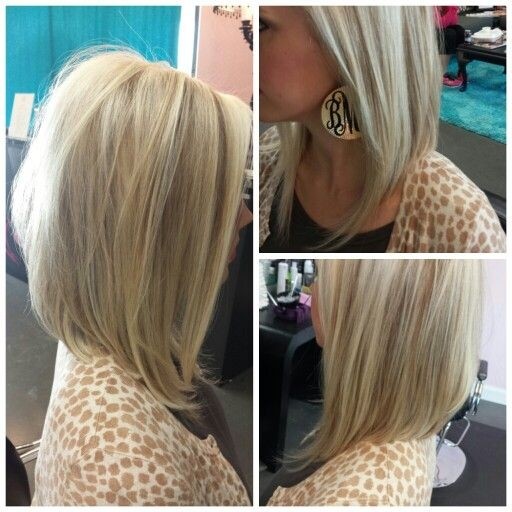 http://www.prettydesigns.com/wp-content/uploads/2015/12/angled-long-bob-hairstyle-for-women.jpg
bronde’ angled bob hairstyles with extreme asymmetry for thick hair
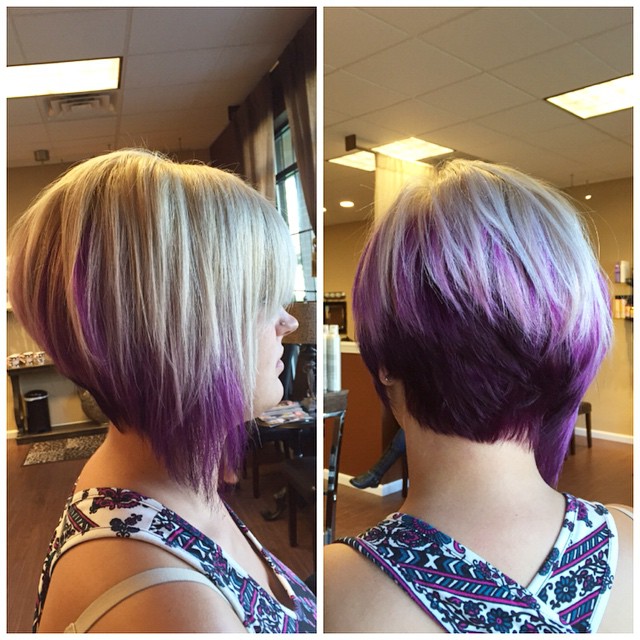 http://hairstylesweekly.com/images/2015/10/Angled-Bob-Hairstyles-for-thick-hair.jpg
Hairstyles Pictures Bob Hairstyles 2015 Short Hairstyles for Women
 http://www.bob-hairstyle.com/wp-content/uploads/2015/01/Angled-Bob-Cut-Hairstyles.jpg
OIP.M0791ef67f9d9f5723586f5959eb5aa55o0
113F6492E3AB90C26C97A3F290DCE9154DB7AA8F3Fhttp://www.prettydesigns.com/latest-chic-short-bob-hairstyles-for-women/
Embed Our image to your website
ThumbnailImageEmbed Our image to a Forum
ThumbnailImage
27 Latest Chic Bob Hairstyles for 2016 Pretty Designs
 Inverted Bob For Thick Hair Bob Hairstyles 2015 Short Hairstyleshttp://www.bob-hairstyle.com/wp-content/uploads/2016/09/Inverted-Bob-Thick-Hair.jpg
angled bob hairstyle for thick hair women
A hairstyle, hairdo, or haircut refers to the styling of head of hair, on the human being head usually. Sometimes, this may also mean an editing of beard hair. The fashioning of hair can be viewed as an aspect of personal grooming, fashion, and cosmetics, although practical, cultural, and popular considerations also influence some hairstyles. The oldest known depiction of hair braiding dates back about 30,000 years. In historical civilizations, women's head of hair was often elaborately and carefully dressed up in special ways. In Imperial Rome, women used their head of hair in complicated styles. From enough time of the Roman Empire[citation needed] until the Middle Ages, the majority of females grew their locks as long as it would grow naturally. During the Roman Empire as well as in the 16th century under western culture, women began to wear their hair in extremely ornate styles. In the later half of the 15th century and on in to the 16th century a very high hairline on the forehead was considered attractive. Through the 16th and 15th hundreds of years, Western men used their hair cropped no longer than shoulder-length. In the first 17th century male hairstyles grew longer, with curls or waves being considered attractive.
The male wig was pioneered by King Louis XIII of France (1601-1643) in 1624. Periwigs or perukes for men were created in to the English-speaking world with other French styles in 1660. Late 17th-century wigs were lengthy and wavy, but became shorter in the mid-18th century, where time these were white normally. Short hair for fashionable men was something of the Neoclassical movement. In the first 19th hundred years the guy beard, and also moustaches and sideburns, made a strong reappearance. From your 16th to the 19th hundred years, European women's mane became more visible while their hair coverings grew smaller. In the center of the 18th hundred years the pouf style developed. During the First World War, women around the global world started to shift to shorter hairstyles that were much easier to manage. In the first 1950s women's hair was generally curled and worn in a variety of styles and lengths. In the 1960s, many women started to wear their scalp in short modern cuts including the pixie cut, while in the 1970s, head of hair tended to looser be longer and. In both the 1960s and 1970s many men and women wore their hair very long and straight. Inside the 1980s, women pulled back their hair with scrunchies. During the 1980s, punk hairstyles were followed by some social people.
Throughout times, folks have worn their mane in a wide variety of styles, determined by the fashions of the culture they live in largely. Hairstyles are signifiers and markers of social class, age, marital status, racial identification, political beliefs, and attitudes about gender.
In many ethnicities, often for religious reasons, women's head of hair is covered while in public areas, and in a few, such as Haredi Judaism or European Orthodox communities, women's wild hair is shaved or lower very short, and covered with wigs.Only since the end of World Warfare I have women begun to wear their scalp short and in quite natural styles.
Paleolithic
- The oldest known reproduction of hair braiding lies back again about 30,000 years: the Venus of Willendorf, now known in academia as the girl of Willendorf, of a lady figurine from the Paleolithic, projected to get been made between about 28,000 and 25,000 BCE.The Venus of Brassempouy matters about 25,000 years old and indisputably shows hairstyling.
Bronze Age
- In Bronze Era razors were known and in use by some men, however, not on a daily basis since the method was rather annoying and required resharpening of the tool which reduced its stamina.
Ancient history
- In old civilizations, women's wild hair was often elaborately and carefully dressed up in special ways. Women colored their mane, curled it, and pinned it up (ponytail) in many ways. They set their head of hair in curls and waves using damp clay, that they dried out in the sun and then combed out, or else by by using a jelly manufactured from quince seeds soaked in drinking water, or curling tongs and curling irons of varied kinds.
Roman Empire and Middle Ages
- Between 27 BC and 102 Advertisement, in Imperial Rome, women wore their scalp in complicated styles: a mass of curls on top, or in rows of waves, attracted back to braids or ringlets. Eventually noblewomen's hairstyles grew so complex that they required daily attention from several slaves and a stylist to become maintained. The scalp was lightened using real wood ash, unslaked lime and sodium bicarbonate, or darkened with copper filings, oak-apples or leeches marinated in vinegar and wine. It had been augmented by wigs, pads and hairpieces, and held set up by nets, pins, pomade and combs. Beneath the Byzantine Empire, noblewomen covered most of their hair with silk pearl and caps nets.
Best Short Thick Hair For Women
- If you are gifted naturally with thick mane, you will be the envy of so many women worldwide. You haven't had to cope with the problem of limp wild hair or the lack of amount in hair styles. Being groomed and clean, thick locks are the natural jewel it doesn't need any superior rim in conditions of fancy hairstyles. At the same time, thick mane in much longer lengths might feel heavy. In this full case a short haircut is an outstanding solution. This content with cool pictures will help you to make the right choice of a short haircut for thick hair.
- So, you've chosen a huge crop for your luxurious thick tresses? Most people won't understand you, but we do. Short slices often look much sharper than longer styles. And if you have mastered how to create your short haircut, you will be the lucky one, who'll will have an enviously perfect effortless look. Listed below are ideas for your bob, pixie or whatever brief haircut version you've decided on this time.
Angled Bob Hairstyles For Thick Hair Best Hairstyles Collections
 http://hairstylesweekly.com/images/2015/10/Shaggy-Layered-Angled-Bob-Hairstyles-for-Women.jpg
Inverted Bob For Thick Hair Bob Hairstyles 2015 Short Hairstyles
http://www.bob-hairstyle.com/wp-content/uploads/2016/09/Inverted-Bob-for-Thick-Layered-Hair-Idea.jpgShort Angled Bob Hairstyles 2015 Black Woman Best Hairstyles
 http://styloss.com/wp-content/uploads/2015/02/short-angled-bob-hairstyles-for-thick-hair.jpg
fashion cut for medium to thick hair. It sculpts the shape of the hair
 http://www.prettydesigns.com/wp-content/uploads/2013/04/Side-View-of-Bob-Hairstyles.jpg
OIP.23BuYMZwNE_aNVBL7Er39wDCEs
16DDE86625DDA348509F145368D8294FDC0862C007http://www.bob-hairstyle.com/15-super-inverted-bob-for-thick-hair.html
Embed Our image to your website
ThumbnailImageEmbed Our image to a Forum
ThumbnailImage


